
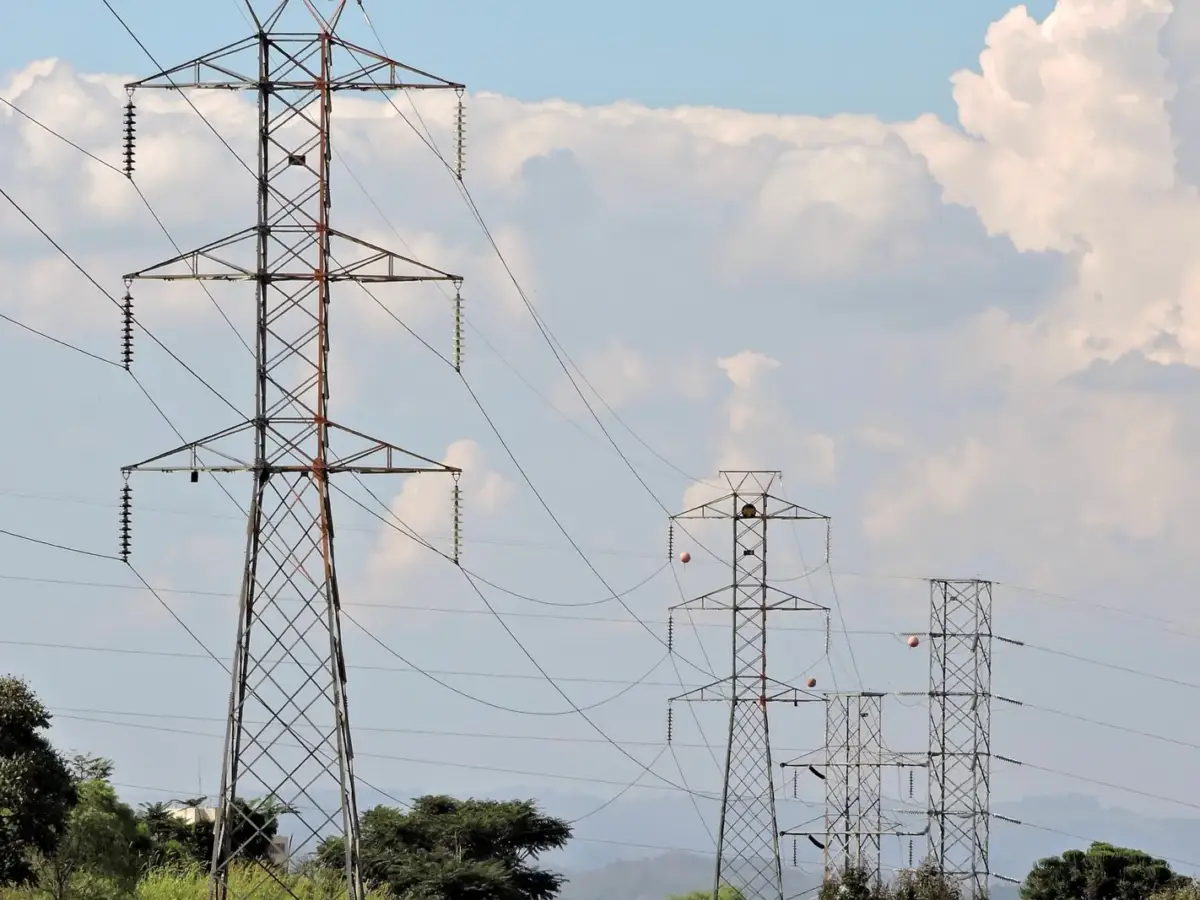
Transmission concession, Central America
MIG structured the financing; a 40% stake in the project company.
View case studyFor institutional & professional investors only. Schedule a briefing
Long-life assets, contracted revenue, structured to investment grade.
This vertical finances the assets that outlast their builders: transmission lines, generation plants, real estate and the mines that feed the energy transition. The common thread is the one MIG prices everything against — a long-life asset with revenue that can be contracted, and therefore discounted, and therefore financed.
MIG’s reference work is in Central America, where we structured the financing of transmission lines and power generation against their offtake contracts. The method is the one explained in our white papers: identify the contracted revenue — a wheeling tariff, an availability payment, a PPA — value it, place a bond against it on a non-recourse basis, and let the trustee-controlled vehicle service the debt from the contract. Where a sponsor wants to exit, the same discipline allows the future revenue stream to be sold outright. The companies are not named on this site at their request; the structures are described in detail in How to discount a transmission line and Non-recourse lending for transmission lines.
Many of the assets emerging markets need most are bought by the state: transmission by the national utility, generation by a ministry, roads and water by a government. MIG structures against sovereign offtake and sovereign guarantees — extracting the debt from the contract rather than adding it to the sponsor’s balance sheet, and in the right structure keeping it off the economy’s own borrowing. The sovereign provides the warranties; the structure provides the capital.
Two lines. Acquisition financing of income-producing property against its leases — the same contracted-revenue logic as a transmission line, with a building instead of a wire. And distressed acquisition: MIG buys portfolios of loans and assets from banks in North America at a deep discount to face value and works them out, hands-on, to recover value. The second line draws directly on MIG’s restructuring practice.
MIG finances the extraction of the metals the energy transition cannot do without: copper, iron ore and bauxite. We do not take exploration risk. We finance producing or near-producing assets against offtake agreements with rated buyers, with the same structure — contracted revenue, dedicated vehicle, enhancement, rating — that we use for power.
Assets with a contract behind them; sponsors who will put collateral and their own commitment into the structure; and governments that want infrastructure without adding to their debt. In return MIG brings a method that has placed bonds against Central American infrastructure, a vehicle that rating agencies can assess, and an operating team that stays involved after closing.
MIG structured the financing; a 40% stake in the project company.
View case study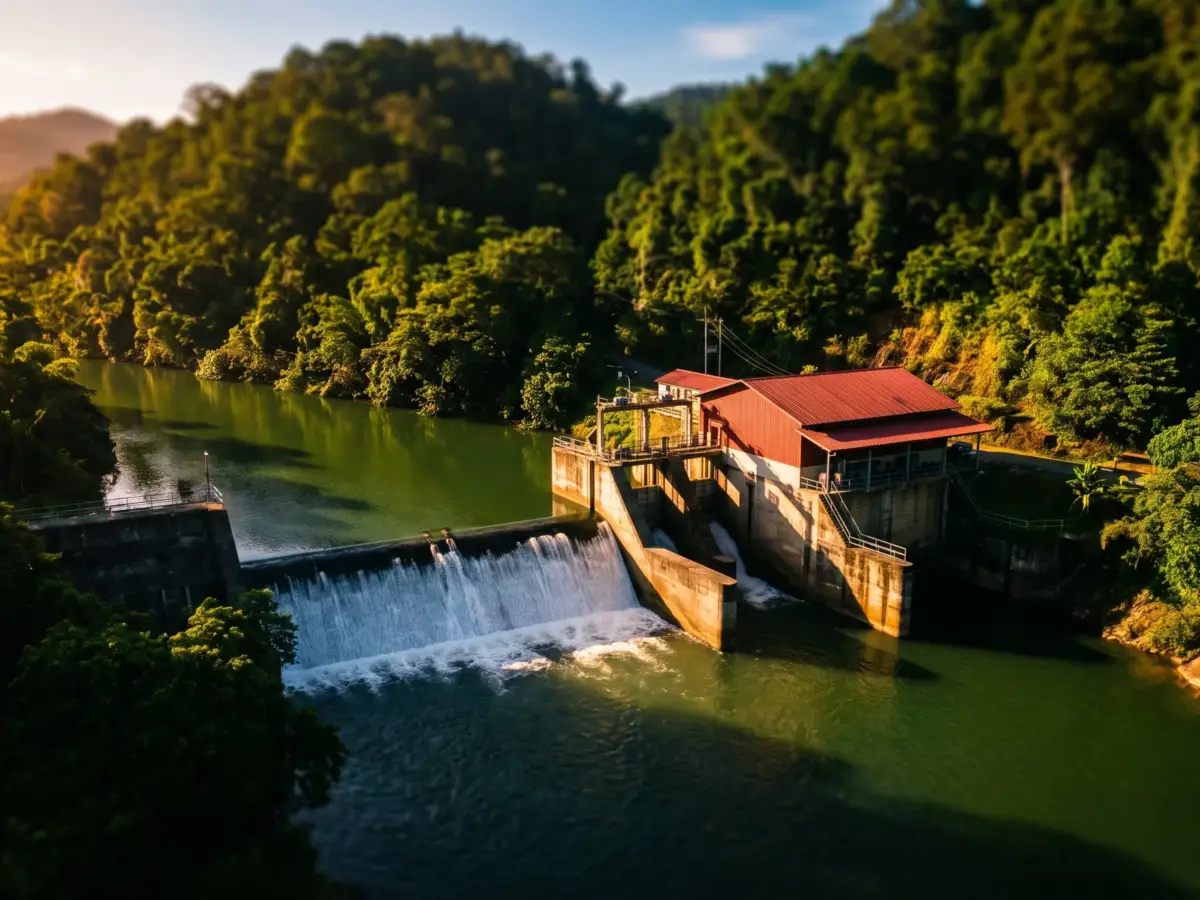
Two hydroelectric stations supplying the national grid under long-term power purchase agreements; MIG as lead financier, senior debt…
View case studyLarge-scale EPC/BOT infrastructure — power transmission, transport (roads, ports, airports), water & sanitation, telecoms, and fertilizer plants — built and operated under long-term concessions.
Yes — active production-stage mining operations in gold and copper.
Yes — real estate development through segregated and pooled structures.
Valuing availability payments, wheeling tariffs and contracted revenue — and turning the result into a bond
Concessions, availability payments and construction risk — lending to the line, not to its owner
Financing infrastructure against state purchase contracts — carrying the sovereign's credit without adding to the sovereign's debt
Transmission lines and power generation financed against their contracts — the origin of MIG's method
Buying loan and asset portfolios from North American banks at a deep discount — and working them out by hand
Whether you're an institutional investor, sovereign fund, or strategic partner, we'd welcome a conversation about how MIG Corporation can help you access emerging-market returns.